
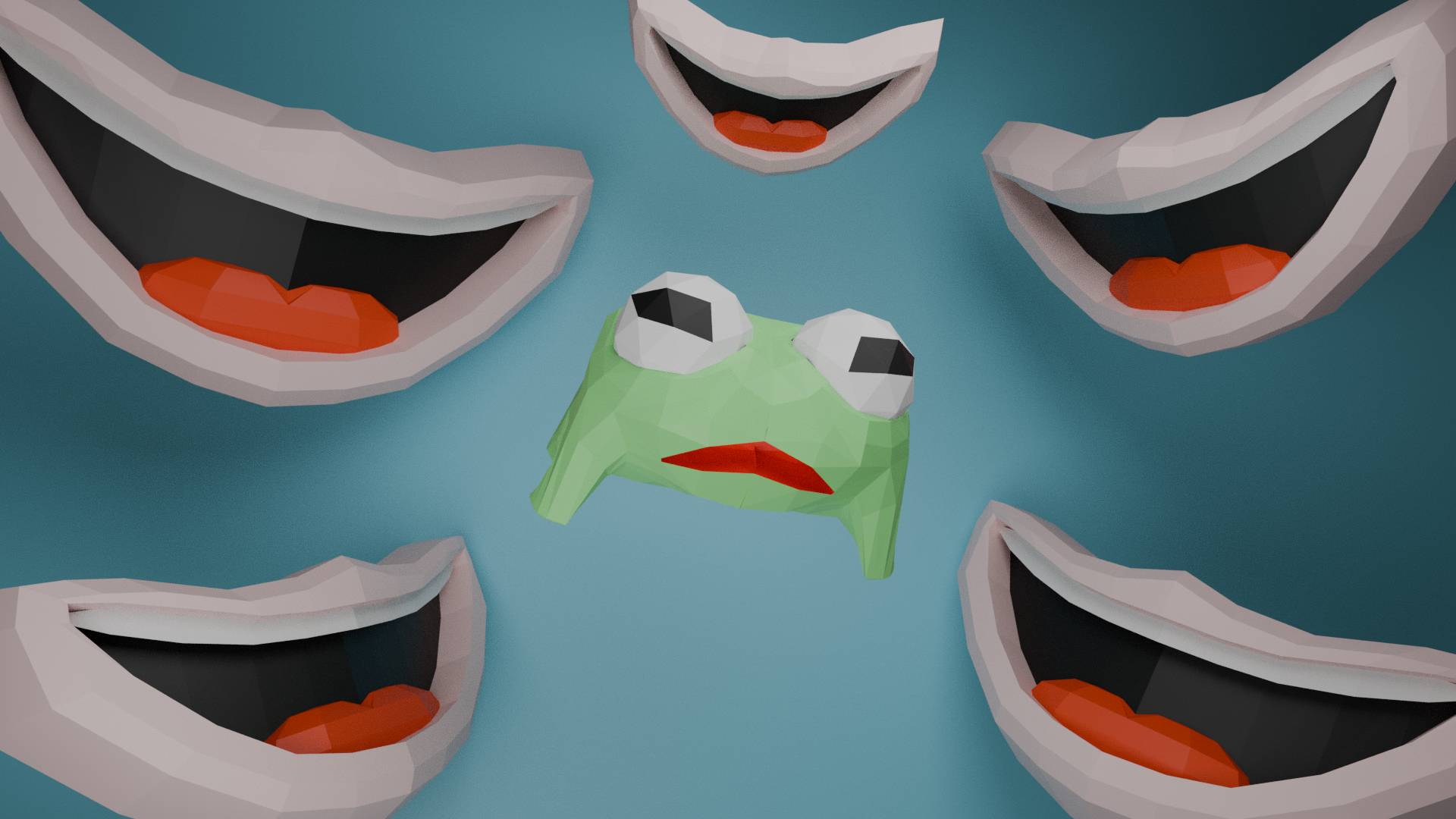
“Eat the frog” is a popular productivity method. It encourages starting your day by tackling your biggest, most challenging task first. While this works for many, it doesn’t suit everyone. For some, focusing all their energy on one huge task early in the day can leave them drained and unproductive for the rest of their work.
If you’ve tried this method and found it lacking, don’t worry. There are other ways to approach massive tasks. As someone that works on large-scale, intricate projects in Immersive Technologies. Here are a few techniques to help you break down, manage, and overcome those overwhelming responsibilities.
Sharpen the Axe Before You Cut The Tree
Sometimes, it helps to prepare your mind before jumping straight into a big task. Think of it as “sharpening the axe” before chopping down a tree. Rather than forcing yourself to begin when you don’t feel ready, keep the task in the back of your mind while working on smaller, unrelated jobs.
As you do this, you’re unconsciously processing and building mental clarity about the task. You might notice fresh ideas or new perspectives forming as the day progresses. Once you feel mentally equipped, take the plunge and dedicate focused time to the task. This method works well when a project feels too overwhelming to begin immediately.
The Domino Effect: Start Small
Instead of attempting to tackle a massive task in one go, break it into smaller, manageable actions. This is where the Domino Effect comes in. Imagine pushing over a tiny domino that leads to a bigger one, and then an even bigger one, eventually toppling something huge.
For example, if your goal is to clean your workspace, you don’t have to tackle everything at once. Start with something easy, like tidying a single shelf or clearing the bench. This small success builds momentum, making the bigger goal feel more achievable. Applying this to work projects means focusing on one tiny, actionable step that contributes to the larger task.
Dive Deep and Demystify
A task can feel like a mountain when you don’t fully understand it. Instead of trying to force yourself into doing it, spend time researching and learning more about the problem. Break the task into its details and figure out the steps required. This not only provides clarity but also makes the job seem less intimidating.
This approach transforms the task into a puzzle you can solve bit by bit, turning fear into curiosity and excitement. When you’re engaged and invested, the task becomes less about willpower and more about natural momentum.
It’s essential to set time aside for this process. Planning and understanding the task is not wasted time, it’s the foundation for successful execution. This looks like procrastination to people, but when you steamroll that big item, you will leave them in the dust.
Focus on Indirect Progress
Big tasks don’t always need to be addressed head-on. Sometimes, indirect progress can be just as valuable. Even if you’re not tackling the main task, completing other smaller side quests or jobs helps reduce your mental load and clears space to eventually approach the bigger challenge.
For instance, working on routine maintenance tasks or organising your tools can leave you feeling more prepared and motivated to dive into the bigger project later. It’s all about setting yourself up for success by creating an environment where you feel capable and focused.
Play Your Tokens Wisely
You’ve probably heard life coaches or productivity gurus talk about the importance of focus. To illustrate, imagine you have 10 tokens that represent your time, energy, and attention. You can spread these tokens across multiple goals or interests, but there’s a catch: the more tokens you assign to a single goal, the greater your progress in that area.
For instance, spreading your 10 tokens across five different interests leaves each with only 2 tokens to each. However if you assign 8 tokens to one main focus and just 2 to lower-priority interests, you can move the needle on your biggest goal while still leaving space to dabble elsewhere.
However, not all tasks demand the same effort. Some might require 5 tokens just to make a small amount of progress, while others might take only 1 token but reward you with 2 tokens worth of energy or momentum in return. Instead of brute-forcing a demanding, high-cost task that drains all your tokens, you can approach it strategically. Start with smaller, high-return tasks that align with your strengths and goals. To an guru, this might seem unfocused and you’re spreading yourself too thin. But these quick wins feed into the momentum needed to tackle the bigger challenges.
For example, I work in the digital space but also have a passion for woodworking. If a process in my work or life requires repetitive effort, tools are unorganised or I need a specific item that doesn’t exist. I’ll set aside time to build a jig, solution, or toolbox. This might seem like a detour and should just stay in my digital lane, however it allows me to streamline future tasks and saves “future me” countless hours of effort.
This approach can feel like chaotic energy as you shift between tasks or interests. But when you channel it toward your larger goals, it becomes a powerful force. By balancing effort, using your diverse skills, and reinvesting the momentum you gain, you can achieve far more than by brute-forcing a single task. The key is to stay mindful of your overall direction while making the most of every token.
Understanding Your Effort Cycle
Your body and mind are like a gym. Just as working the same muscle repeatedly can lead to fatigue or even injury, the same applies to your mental and physical energy. A well-rounded “workout” focuses on different areas at different times, allowing some to rest while others take the lead.
For example, I’ve noticed that my mental energy is strongest in the morning. This is when I focus on “heavy lifting” tasks like design thinking, problem-solving, or strategic planning. After lunch, my mental muscles feel fatigued, and I shift to tasks that are easier and more repetitive that don’t require intense focus. By the evening, I find that my physical energy remains high even though my mind is tired. This is when I “train a different muscle” by engaging in hands-on or physical activities. It might be exercising, or hobbies that let me move and create in a way that balances out the day. This switch helps keep me energised while avoiding burnout from overworking the same mental muscles.
Treating your energy like a gym routine ensures that you work all areas of your body and mind in balance. You can plan your tasks to match your energy levels, like mentally heavy tasks when your brain is sharp, easier tasks when your mind needs a break, and physical tasks to engage your body when your brain is tired. By recognising when each “muscle” needs work or rest, you avoid overexertion and ensure long-term productivity.
Celebrate the Small Wins
No matter what way you choose to eat that frog, it’s important to celebrate your progress. Big tasks don’t have to be completed in one gruelling session. Each small step you take moves you closer to the finish line. Acknowledge these wins, and use them as fuel to keep going.
If “eating the frog” doesn’t suit your workflow, that’s okay. What matters most is finding a method that helps you stay productive without burning out. By working smarter and embracing these alternative strategies, you’ll find that even the biggest mountains become easier to climb.
Thank you for reading, and if you found a part of this useful. Share so it can help others.
Also go come check out my channel on YouTube
