
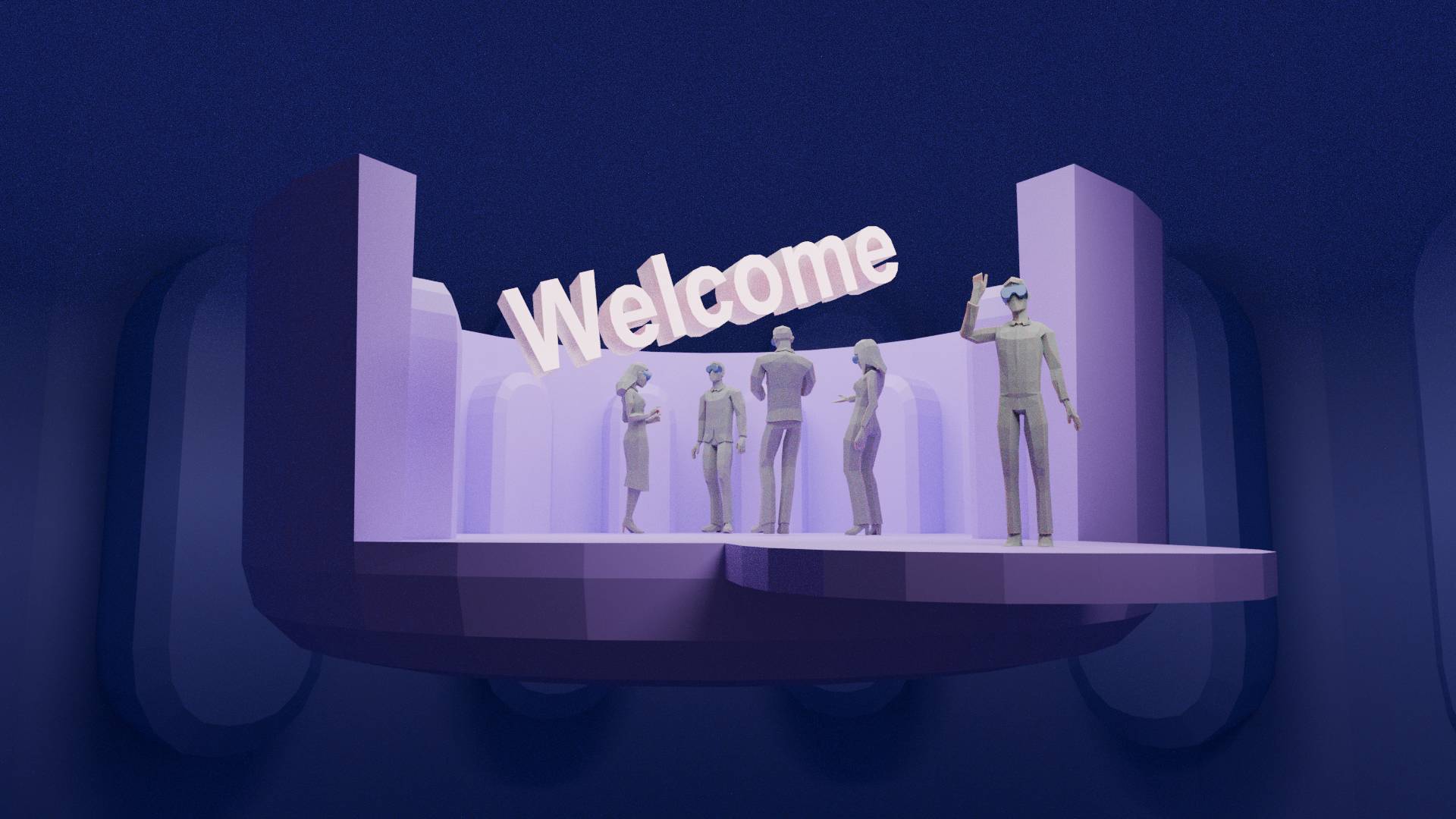
A flat screen cannot replace a handshake, but Virtual Reality (VR) is getting closer. As more businesses move into VR for events, the challenge becomes not just running a meeting but creating a meaningful experience.
Learning from Event Management Trends
Traditional event management offers valuable lessons for VR. Great events are built on good planning, audience understanding, and smooth experiences. These same ideas work in VR too.
Think about user flow, timing and engagement points. Borrow from the best in real-world events: clear scheduling, interactive moments and space for networking. The aim is the same: make it easy, enjoyable and memorable for people to be there.
The Importance of Digital Body Language
In VR, we lose some natural cues. A nod, a glance, a fidget; these do not always translate perfectly into avatars. Presenters must rethink how they read and guide an audience.
Use simple, clear gestures. Pause more often to allow people to respond. Look around the room deliberately, even if the reactions are digital. Voice tone becomes a key tool too, carrying energy and empathy across the virtual space.
Getting the Technical Side Right
Good VR is more than putting on a headset. It is about what you can do and show once you are inside.
Make use of interactive models, shared screens and real-time collaboration tools. If you are unveiling a new product, let people pick it up and inspect it virtually. If you are hosting a discussion, use breakout spaces where real conversations can grow. The technical setup should support exploration, not just observation.
Building Real Connection
VR’s biggest strength is emotional. Done well, it lets people experience ideas, not just hear them. It also lets like-minded individuals meet, network and share across any distance.
Design your VR event with real human needs in mind. Schedule time for casual conversations. Create shared experiences that people can talk about afterwards, like a game, a challenge or a group build. The technology should fade into the background, letting human connection come first.
Designing the Environment for the User
The virtual environment is your stage. A poorly designed space can confuse or isolate people. A thoughtful one can inspire them.
Choose settings that match your goal, such as an intimate fireside for deep talks or a large open gallery for a product showcase. Use intuitive layouts that are easy to move through. Lighting, colour and sound all matter too. They guide mood and energy just like in real venues.
Final Thoughts
A purposeful VR event does not just replicate a real-world meeting. It builds something new. By blending lessons from event management with VR-specific design, technical care, body language awareness, human-centred connection and environmental thought, you can turn a virtual gathering into a real experience that sticks.
If you would like support in designing your virtual event, feel free to get in contact. We are here to help you create something truly meaningful.
Thank you for reading, and if you found a part of this useful. Share so it can help others.
Also go come check out my channel on YouTube
