
When most people think of virtual reality (VR), they picture big titles like Tilt Brush or Job Simulator. These early VR experiences are packed with detail, offering deep interaction in rich, playful worlds. But VR is still young. It’s an emerging technology, and the most exciting parts are still ahead.
I’ve been working with VR since 2018. Over these years, I’ve seen how design practices have sharpened. Developers now build smarter, more stable environments. Hardware has improved too. Headsets are lighter, displays are sharper, and tracking is faster. But even with these changes, most newcomers still flock to the same handful of big-name experiences.
The Power of Niche Worlds
This is where the real opportunity lies. Instead of only chasing the next blockbuster, we can create niche worlds that serve smaller groups with specific interests. As we start to see metaverses take shape, linking VR spaces to these groups will unlock something special: real community.
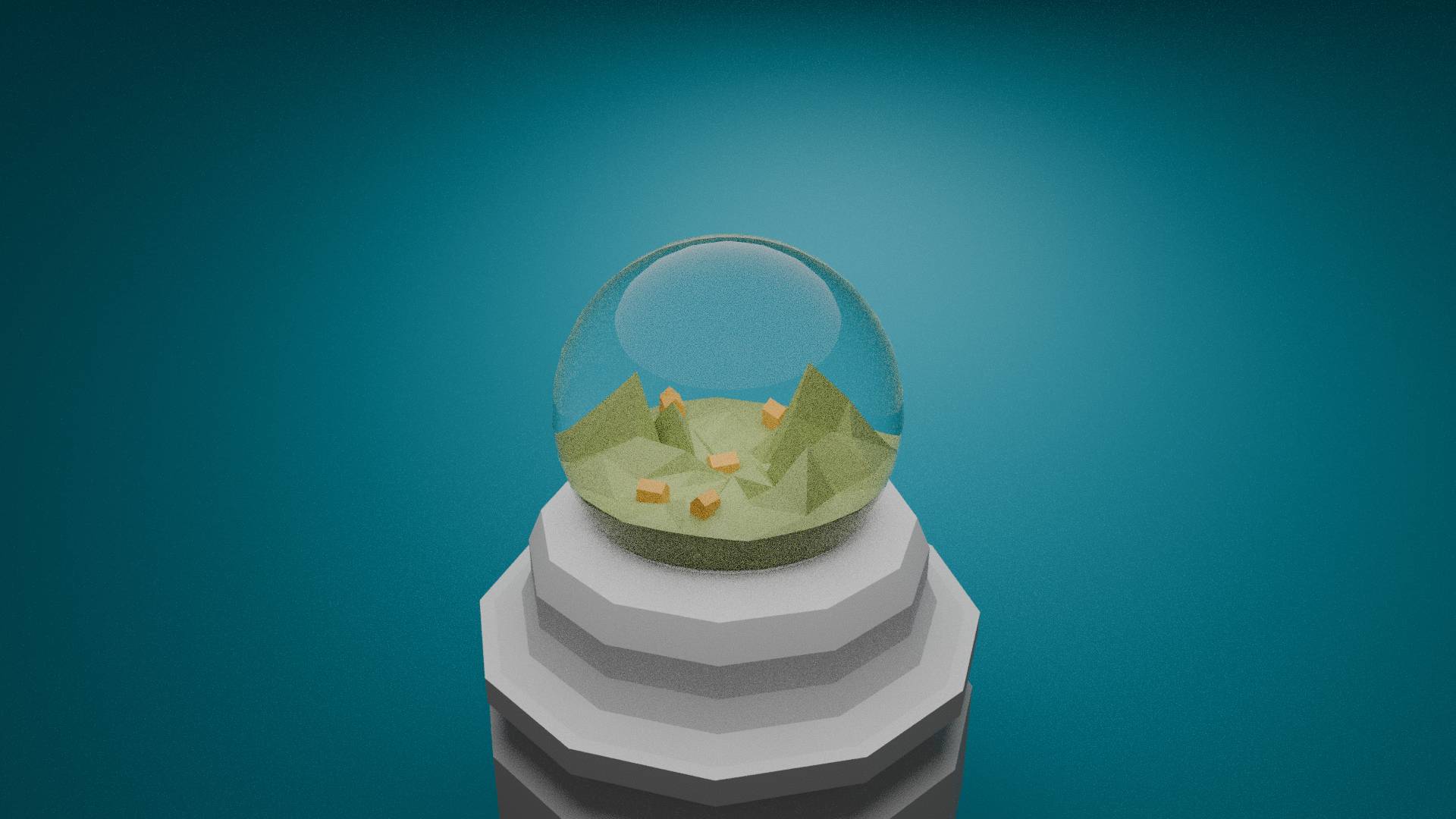
Imagine a VR world designed just for writers. A cosy virtual library where poets and authors gather to share ideas. Or a small town built for model train lovers, complete with tiny stations and running tracks. These are not massive, headline-grabbing spaces. But they are meaningful to the people who use them.
Building Living Spaces
When you build for a niche, something magical happens. You don’t just create a space; you build a living world. You can update it over time. Add seasonal events, special rooms, or new features. These changes make the space feel alive, and people come back again and again. Slowly, a dedicated community forms, bound by shared passion and experiences.
We’ve already seen hints of this in early VR hubs and hobby spaces. But the next wave will go deeper. Small, vibrant VR worlds, linked to strong identities and interests, will thrive even if they never hit mainstream news. That’s the power of the long tail.
Belonging Is the New Currency
In these niche spaces, belonging is worth more than anything else. People aren’t just looking for entertainment. They want authentic connection. They want places where they feel seen, heard, and valued.
Trying to exploit these spaces for quick profit or cheap engagement won’t work. Users can sense when a world is built with heart, and when it’s not. When you create with real care, and nurture a community over time, the value grows far beyond dollars. It builds loyalty, creativity, and trust.
Belonging gives people a reason to stay, contribute, and bring others along. In the long run, it’s the most powerful thing you can offer.
Thinking Small, Building Big Meaning
The future of VR won’t just be about bigger, flashier technology. It will be about creating places where people genuinely want to be. Worlds where small groups find their passions reflected back at them. Places that grow, shift, and respond because the people inside them matter.
It’s tempting to chase scale and spectacle. But the real strength of VR is in its ability to be intimate, specific, and personal. A small world, cared for and nurtured, can hold more meaning than the largest empty arena.
The creators who understand this and build for it, will lead the next era of virtual reality. They will shape spaces not just for today, but for living communities that thrive year after year.
The long tail isn’t a backup plan. It’s the real frontier.
Thank you for reading, and if you found a part of this useful. Share so it can help others.
Also go come check out my channel on YouTube
